How Much Does an Industrial Packaging Machine Cost?
Packaging machinery is quoted per project, because every machine is configured around one plant's product, pack and rate. Here is what sets the number, what sits outside the machine price and how to reach a real figure quickly.

Packaging machinery is quoted per project. That is how a configured-to-order machine works, and it is also why the number you receive is the number for your plant.
The reasoning behind it tells you most of what you need to know about how these projects are specified, budgeted and bought.
What the price covers
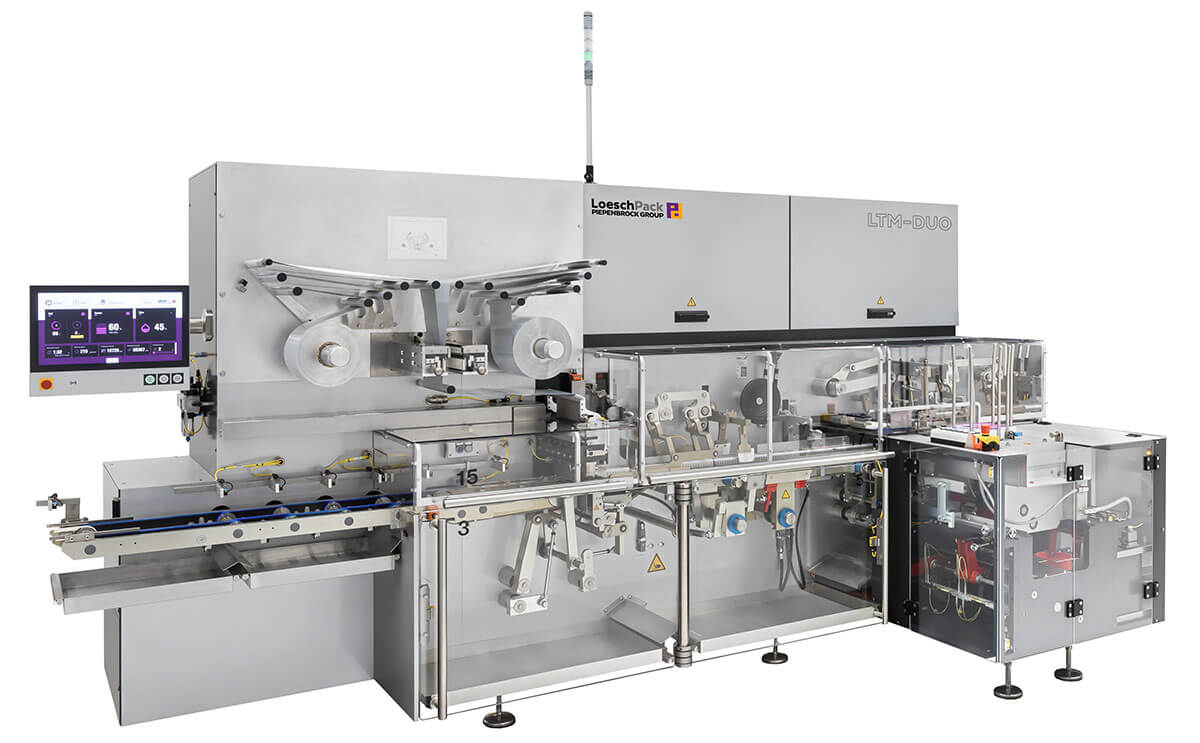
A packaging machine is configured to order. The base platform is a known quantity, and everything that makes it work in your plant is engineered for you: the infeed that presents your product, the format set for your pack, the sealing arrangement for your film, the sanitation design for your environment and the controls that talk to whatever sits either side of it.
Those choices move the number more than the platform does, which is why the partner product catalog carries no unit price and pricing is set per quote. A list price would describe a machine that is not the one you would receive.
Seven things that set the number
Throughput
Sustained output is the biggest single driver, and it moves in steps rather than a straight line. Going from moderate to high speed can mean a different machine class, a heavier frame, servo drives on axes that were mechanical and an infeed engineered as a project in its own right. Specify the rate you need now, and price the path to the rate you expect later as a separate line.
Format range and changeover
One pack size is straightforward. Six pack sizes changed over daily by a crew working to a schedule is a different specification. Each format needs tooling, and quick-change designs cost more up front and return production time every week. If your SKU count is growing, say so before the specification is frozen, because designing the flexibility in is far cheaper than adding it afterward.
How your product behaves in the machine
This is the driver buyers most often underestimate, and it is where good engineering shows up in the finished line. A rigid, uniform, dry product presents itself easily. Soft, sticky, fragile, irregular, warm or dusty product earns a feeding and distribution system designed around its behavior, and that system can rival the packaging machine in value. It is also what carries the line's output, so it is the place to invest.
Material and seal requirements
Film choice reaches back into the machine. A structure that wants longer dwell, tighter temperature control or a different seal geometry shapes the sealing system and the achievable rate. Moving to paper-based or recyclable materials is a specification decision with a price attached, covered in running paper and recyclable materials.
Sanitation and environment
A dry snack line and a wet protein line are different machines wearing similar shapes. Washdown construction, stainless contact parts, drainage, separated electrical enclosures and tool-free strip-down all carry cost, and every one of them buys a line your sanitation regime can live with for twenty years. Frozen and IQF packaging covers what changes in cold and wet environments.
Line scope
One machine into an existing line is the smallest scope. A complete line from process discharge to palletized case is the largest, and between them sits every combination of conveying, buffering, checkweighing, metal detection, cartoning and case packing. Complete and turnkey packaging lines covers when the wider scope is worth buying.
Controls, integration and documentation
Talking to your existing equipment, reporting into your plant systems and satisfying your validation and documentation requirements are all real engineering. In regulated production they can be a significant share of the project. Say early what your standards require, because designing for them is far cheaper than retrofitting them.
The costs that sit outside the machine price
The quote covers equipment. A complete business case covers the rest:
- Installation, mechanical and electrical, plus any building work, services or floor preparation the machine needs.
- Commissioning and acceptance, including the product trials that prove the rate before you sign it off.
- Training for operators and maintenance, which is the cheapest line on this list and among the highest returning.
- Spare parts holding, especially wear parts and format tooling for every SKU you run.
- Utilities and floor space, which are ongoing and easy to overlook at specification time.
- The production window used during installation and ramp-up, which is the largest item most business cases leave out.
Over a working life the recurring costs matter more than the capital. Film and giveaway in particular tend to exceed the purchase price, so how a multihead weigher reduces giveaway is a cost page as much as a technical one.
Support belongs in the same column. Which spare parts are held on this continent, who performs commissioning and what a service agreement covers all shape what the equipment costs you over its life, and each one is easier to settle before an order than after. Service and support in North America covers what to establish up front.
How to get to a real number quickly
The pace is set by the application, not by the pricing. Buyers who arrive with the following get a meaningful quote in days:
- The product: what it is, its dimensions and weight, and how it behaves when handled, dropped or stacked.
- The pack: the format you need to sell, the material if it is settled and every format the line has to cover.
- The rate: sustained finished packs per minute, plus the shift pattern behind it.
- The environment: dry, wet or chilled, and the sanitation regime that applies.
- The boundary: where product arrives and what the line has to deliver at the far end.
- The constraint: floor space, ceiling height, access and what sets your pace today.
Bring those and the number you get back describes your line. Packaging automation ROI covers the other half of the case, which is what the machine gives back.
Send us the application and we will scope it
PPT USA is the North American arm of the Piepenbrock Group, family owned since 1913, alongside LoeschPack and Hastamat. We specify, install, commission and support these lines across the United States, Canada and Mexico, so the scope we quote is the scope we then deliver on your floor. That is why our numbers arrive with the configuration attached.
Send what you have from the list above, even if it is incomplete. You will get the shape of the project, what sits inside the number and what sits outside it, and a scope your finance team can work with. We will fill the gaps with you and bring the manufacturer's engineering in where it helps.